Motivation And Productivity
Content about motivation and productivity (Auto-generated fallback due to API error).
Struggling to understand why your team's performance is plateauing, or worse, declining? The secret often lies in understanding and applying the right employee motivation theories. Understanding what truly drives your people goes beyond simply offering a bigger paycheck. It's about creating an environment where they feel valued, challenged, and connected to the company's mission.
At a glance:
- Understand core employee motivation theories, from Maslow's hierarchy to Self-Determination Theory.
- Identify which theories resonate most with your team's specific needs and workplace dynamics.
- Learn how to apply these theories practically, boosting engagement and productivity.
- Debunk common misconceptions about motivation and address potential pitfalls.
- Create a customized motivation strategy that fosters a thriving workplace.
Why a One-Size-Fits-All Approach Doesn't Work
Motivation isn't a monolith. What ignites passion in one employee might leave another indifferent. Employee motivation theories provide a framework for understanding these individual differences and tailoring your approach. They move beyond generic perks and delve into the psychological drivers that fuel performance, satisfaction, and retention. Explore motivation at work to get a broader overview of how these theories tie together.
The Motivation Theory Toolbox: A Practical Guide
Let's explore some leading theories and how to use them to create a motivational workplace:
1. Needs-Based Theories: Understanding the "Why" Behind the Work
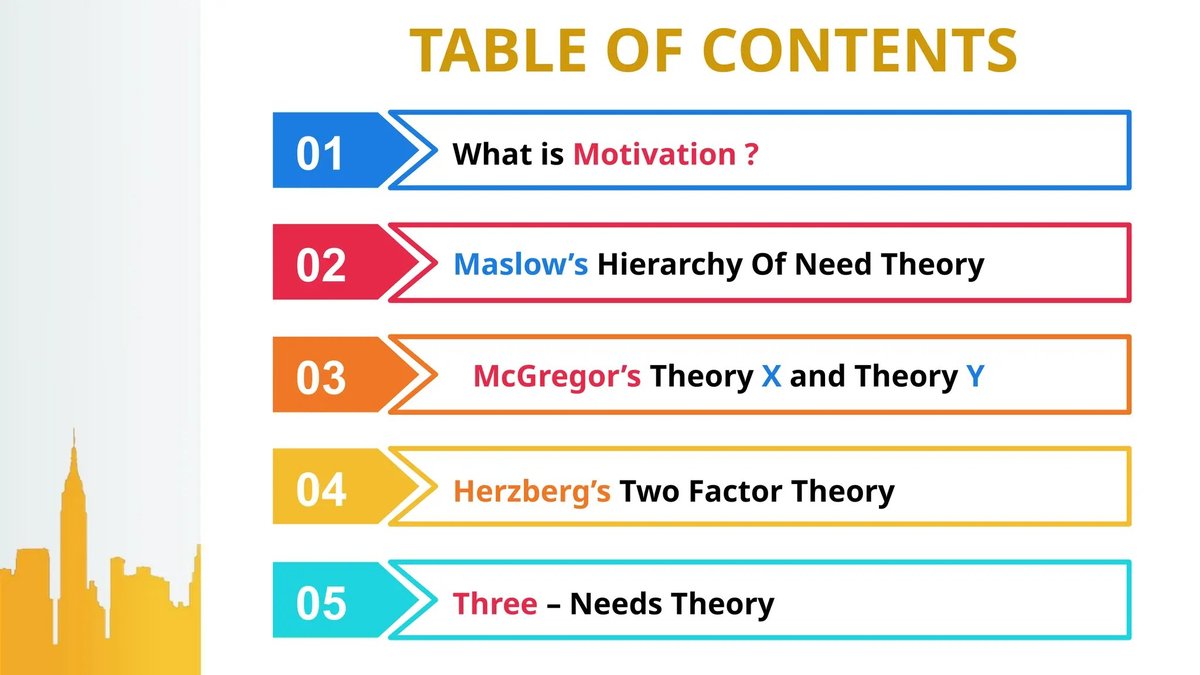
- Maslow's Hierarchy of Needs: While debated, this theory emphasizes the importance of meeting basic needs (salary, safety) before focusing on higher-level motivators like recognition and self-actualization.
- Application: Ensure fair compensation, safe working conditions, and opportunities for social interaction to address lower-level needs. Then, offer challenging projects and leadership opportunities to foster self-actualization.
- Example: A company providing on-site childcare addresses both safety (peace of mind for parents) and social (community building) needs, freeing employees to focus on higher-level goals.
- ERG Theory (Alderfer): A more flexible take on Maslow, focusing on Existence, Relatedness, and Growth. The "frustration-regression" principle suggests that if growth opportunities are blocked, employees may regress to focusing on relatedness or even existence needs.
- Application: Provide clear career paths and development opportunities. If promotions are limited, focus on strengthening team relationships and recognizing individual contributions.
- Example: An employee denied a promotion might become disengaged. A wise manager would then focus on assigning them to collaborative projects and providing public praise for their expertise, addressing relatedness needs.
- McClelland's Need Theory: Everyone is driven by a unique mix of achievement, affiliation, and power needs.
- Application: Tailor roles and responsibilities to match these needs. High-achievers thrive on challenging goals and autonomy, while those with high affiliation needs excel in collaborative environments. Individuals with a high need for power might be well-suited for leadership roles.
- Example: An employee with a strong need for achievement might be given a stretch goal with clear metrics for success, while one with a strong need for affiliation might be assigned to mentor a new team member.
2. Cognitive Theories: The Power of Thought and Perception - Vroom's Expectancy Theory: Motivation depends on the belief that effort leads to performance (expectancy), performance leads to rewards (instrumentality), and the rewards are valued (valence).
- Application: Ensure employees have the resources and training needed to succeed (expectancy). Clearly link performance to rewards (instrumentality). Offer rewards that are genuinely valued by employees (valence).
- Example: If employees don't believe they can meet a sales target (low expectancy), provide additional training and support. If they don't believe meeting the target will lead to a meaningful bonus (low instrumentality), revise the compensation plan. If they don't value the bonus being offered (low valence), explore alternative rewards like extra vacation time or professional development opportunities.
- Adam's Equity Theory: Individuals are motivated by a sense of fairness in their input-to-output ratio compared to others.
- Application: Be transparent about compensation and promotion decisions. Address perceptions of inequity promptly and fairly.
- Example: If an employee believes they are being paid less than a colleague with similar experience and responsibilities, this can lead to resentment and decreased motivation. Addressing and resolving these concerns openly is crucial.
- Goal-Setting Theory: Specific, challenging goals, coupled with feedback, lead to higher performance.
- Application: Set SMART goals (Specific, Measurable, Achievable, Relevant, Time-bound) with employee involvement. Provide regular feedback and support.
- Example: Instead of "improve customer satisfaction," set a goal of "increase customer satisfaction scores by 10% by the end of Q3, as measured by post-service surveys."
3. Behavioral Theories: Shaping Behavior Through Consequences - Skinner's Reinforcement Theory: Behavior is shaped by its consequences – rewards and punishments.
- Application: Use positive reinforcement (rewards) to encourage desired behaviors and avoid punishment unless absolutely necessary.
- Example: Praising an employee publicly for exceeding a sales target is positive reinforcement. Assigning extra work as a punishment for lateness is likely to be counterproductive.
4. Self-Focused Theories: Autonomy, Growth, and Belief - Self-Determination Theory (SDT): Emphasizes the importance of autonomy, competence, and relatedness for intrinsic motivation.
- Application: Provide employees with autonomy over their work, opportunities to develop their skills, and a sense of connection to their colleagues and the company's mission.
- Example: Allowing employees to choose their work hours or project assignments fosters autonomy. Providing training and mentorship opportunities builds competence. Organizing team-building activities strengthens relatedness.
- Self-Efficacy Theory: Confidence in one's ability to succeed influences motivation and behavior.
- Application: Provide opportunities for employees to experience mastery, observe successful colleagues, receive positive feedback, and manage stress effectively.
- Example: Breaking down a complex project into smaller, manageable tasks can build mastery experiences. Highlighting successful projects by team members and displaying them at team meetings is a smart strategy to support self-efficacy.
5. Management Style Theories: Two Opposing Viewpoints - McGregor's Theory X and Theory Y: Theory X assumes employees are lazy and need to be controlled, while Theory Y assumes employees are self-motivated and enjoy work.
- Application: Adopt a Theory Y management style, empowering employees and providing them with autonomy and responsibility.
- Example: Instead of micromanaging employees, provide them with clear goals and resources and allow them to manage their own work.
6. Job Design Theories: Making Work Meaningful - Job Characteristics Model: Job features (skill variety, task identity, task significance, autonomy, feedback) influence motivation, performance, and satisfaction.
- Application: Design jobs that are challenging, meaningful, and provide employees with autonomy and feedback.
- Example: An assembly line job with little skill variety or task identity is likely to be demotivating. Redesigning the job to allow employees to assemble entire products, fostering skill variety and task identity, can increase motivation.
Putting Theory into Practice: A Step-by-Step Guide
- Assess your team's needs: Conduct surveys, hold focus groups, and have one-on-one conversations to understand what motivates your employees.
- Identify the relevant theories: Based on your assessment, choose the employee motivation theories that best align with your team's needs and workplace dynamics.
- Develop a customized strategy: Create a plan that incorporates the principles of the chosen theories.
- Implement your strategy: Communicate your plan to your employees and provide them with the resources and support they need to succeed.
- Evaluate and adjust: Regularly monitor the effectiveness of your strategy and make adjustments as needed.
Common Pitfalls to Avoid
- Ignoring individual differences: Remember that what motivates one employee may not motivate another.
- Relying solely on extrinsic rewards: Intrinsic motivation is often more powerful and sustainable.
- Failing to provide feedback: Employees need to know how they are performing and how they can improve.
- Creating a culture of fear: Punishment and criticism can be demotivating, although they can be useful in some contexts.
- Neglecting employee well-being: Burnout and stress can significantly impact motivation.
Quick Answers: Addressing Common Questions About Motivation
Q: Is money the primary motivator?
A: While important, money isn't the only motivator. Studies show that factors like recognition, autonomy, and meaningful work often play a larger role, particularly for long-term engagement.
Q: How do I motivate a consistently underperforming employee?
A: Start by understanding the root cause. Is it a lack of skills (address with training), a lack of motivation (explore needs and interests), or external factors (provide support)? Offer clear expectations and consistent feedback.
Q: What's the best way to give praise?
A: Be specific, sincere, and timely. Instead of "Good job," say "I really appreciated how you handled that difficult customer – your patience and problem-solving skills were excellent." Also, know the person being praised. Some people love public praise, while others prefer private acknowledgement.
Q: How often should I check in on employee motivation?
A: Regularly! Don't wait for performance reviews to address motivation. Have frequent informal check-ins to gauge employee sentiment and address any emerging issues.
Your Motivation Playbook: A Quick Start
- Start a conversation: Ask your team what really motivates them.
- Identify a small, actionable change based on the theories discussed. For instance, provide more autonomy on a specific project or implement a peer-to-peer recognition system.
- Track the impact. Measure changes in engagement, productivity, or satisfaction.
- Iterate. Based on the results, refine your approach and continue experimenting with different motivation strategies.
Understanding and applying employee motivation theories isn't a quick fix, but an ongoing process of learning, adapting, and creating a workplace where everyone can thrive. By focusing on the human element and tailoring your approach, you can unlock the full potential of your team.