Motivation And Productivity
Content about motivation and productivity (Auto-generated fallback due to API error).
Ever wonder why some people leap out of bed ready to tackle the day, while others hit snooze repeatedly? The answer often comes down to understanding the different kinds of motivation that fuel our actions. Motivation, in its simplest form, is what gets us going – it's the engine behind our choices, behaviors, and ultimately, our successes.
At a glance:
- Motivation is the driving force behind our actions.
- It's broadly categorized into intrinsic (internal rewards) and extrinsic (external rewards) types.
- Understanding the different kinds of motivation can help you better understand yourself and others.
- Different situations call for different combinations of motivational approaches.
- Positive and negative incentives can be used to boost motivation.
The Two Big Buckets: Intrinsic vs. Extrinsic Motivation
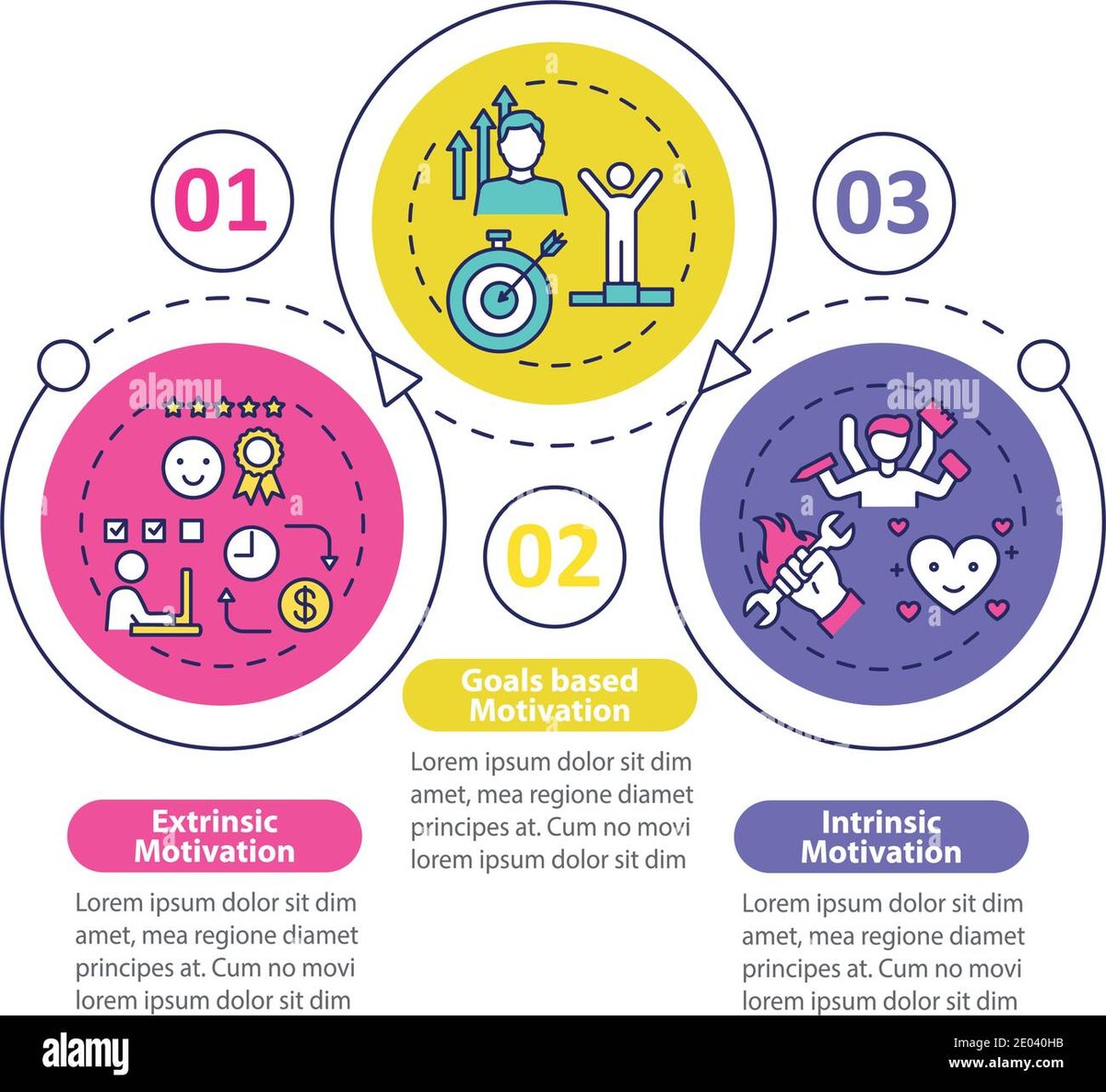
At its core, motivation can be divided into two primary categories: intrinsic and extrinsic. Think of it like this: intrinsic motivation comes from within, while extrinsic motivation comes from without.
- Intrinsic Motivation: This is when you do something because you genuinely enjoy it. It's driven by internal rewards like a sense of accomplishment, satisfaction, or simply the pleasure of the activity itself. You're motivated because it's inherently interesting or fulfilling.
- Extrinsic Motivation: This type of motivation is fueled by external rewards or pressures. Think money, grades, praise, or even the threat of punishment. You're motivated to do something because you expect to receive something in return or avoid something unpleasant.
While both types of motivation can be effective, understanding which one is driving your (or someone else's) behavior can be crucial for long-term success and satisfaction.
Diving Deep: Exploring the Different Types of Intrinsic Motivation
Intrinsic motivation is more nuanced than simply "enjoying something." It's a spectrum of internal drivers, each with its own unique flavor. Let's explore some of the key types:
- Competence/Learning Motivation: This is the desire to learn and improve your skills. You're driven by the process of mastering something new, not necessarily the end result. For example, someone learning to code might spend hours debugging, not for the paycheck, but for the satisfaction of finally making the program work.
- Attitude Motivation: This involves a desire to positively change your own feelings and thoughts. It's about cultivating a more positive outlook and mindset. Someone engaging in daily affirmations is often fueled by attitude motivation.
- Achievement Motivation: Perhaps one of the most commonly recognized types, this is the drive to pursue and achieve specific goals. It's the fuel behind setting ambitious targets and working hard to reach them.
- Creative Motivation: This is the innate drive for self-expression and innovation. It's the force that compels artists, writers, and inventors to create something new and original.
- Physiological Motivation: As Maslow's hierarchy of needs suggests, our most basic needs – food, water, shelter – are powerful motivators. When these needs aren't met, they become a primary focus.
- Curiosity Motivation: Some people are simply driven by the desire to learn new things and explore the unknown. These are the lifelong learners, the ones constantly asking "why?" Explore Different Motivation Styles
- Altruism Motivation: This involves the desire to help others and improve society. It's the driving force behind volunteer work, charitable giving, and social activism.
- Personal Development Motivation: This is the desire to grow and improve as a person. It's about becoming the best version of yourself, whether that means learning new skills, overcoming challenges, or simply becoming more self-aware.
- Purpose Motivation: This is the drive to find meaning and direction in life. It's about connecting with something larger than yourself and making a contribution to the world.
- Autonomy Motivation: The desire to be in control of your own life and decisions is a powerful motivator for many. It's about having the freedom to choose your own path and make your own mistakes.
- Sensation Motivation: Some individuals are driven by the desire to experience new sensations, excitement, or novelty. This might involve seeking out adventure, trying new foods, or traveling to exotic locations.
- Self-Actualization Motivation: This is the ultimate goal in Maslow's hierarchy – the desire to fulfill your potential and live a life that is true to yourself. It's about pursuing your passions and making a lasting impact on the world.
Unlocking External Rewards: Exploring Types of Extrinsic Motivation
While intrinsic motivation is often seen as more desirable, extrinsic motivation plays a significant role in our lives. It's often the initial spark that gets us started, even if intrinsic motivation eventually takes over.
- Incentive Motivation: This is the most straightforward type of extrinsic motivation – you're driven by the expectation of a reward. It could be a bonus at work, a good grade in school, or simply the promise of a treat after completing a task. The crucial thing is that you're focused on the reward, not necessarily the task itself.
- Fear Motivation: This involves using consequences to drive action. It's about avoiding pain, punishment, or negative outcomes. While fear can be an effective motivator in the short term, it can also lead to stress, anxiety, and burnout.
- Power Motivation: This is the desire to control one's own life and, in some cases, the lives of others. It's about having influence and authority.
- Social/Affiliation Motivation: Humans are social creatures, and the desire to belong and be accepted is a powerful motivator. This can manifest as a desire to fit in with a group, gain approval from peers, or build strong relationships.
- Status Motivation: The desire to be loved or respected by their community is a strong motivator. Some people thrive on gaining social standing and recognition within their chosen circles.
- Conservation Motivation: This is the drive to preserve something you value, whether it's your wealth, culture, status, or the environment. It's about protecting what you hold dear.
- Revenge Motivation: While not a healthy or sustainable form of motivation, revenge can be a powerful driver of behavior. It's about getting back at someone who you feel has wronged you.
- Safety and Security Motivation: Driven by the need for safety, security, and stability.
- Belongingness or Affiliation Motivation: The desire to build and maintain strong social connections drives people.
- Esteem Motivation: The motivation to feel important could be split into status (lower-level and what other people think of you) and self-esteem (upper-level, and what you think of yourself)
The Power of Blending: Finding the Right Motivational Mix
While understanding the different types of motivation is helpful, the reality is that most of us are driven by a blend of both intrinsic and extrinsic factors. The key is to find the right mix for your specific situation and goals. kinds of motivation in psychology
- In Business: Different roles and tasks require different motivational approaches. Achievement, incentive, fear (used carefully), power, competence, attitude, and creative motivation can all be effective in the workplace. For example, a sales team might be driven by incentives, while a research and development team might be more motivated by competence and creativity.
- In Sports: Achievement, incentive, fear (of losing), power (over opponents), and competence are all relevant in the world of sports. Athletes are often driven by the desire to win, but also by the intrinsic satisfaction of improving their skills and pushing their limits.
- For Students: Achievement, incentive (grades), competence, and creative types can all be helpful for students. Finding ways to make learning intrinsically motivating can be particularly effective in fostering a lifelong love of learning.
Motivational Techniques: Positive vs. Negative Incentives
When trying to motivate yourself or others, it's important to consider the impact of positive and negative incentives.
- Positive Incentives: These involve rewarding desired behaviors. Examples include praise, recognition, bonuses, and opportunities for advancement. Positive incentives tend to be more effective in the long run, as they foster a sense of accomplishment and encourage intrinsic motivation.
- Negative Incentives: These involve punishing undesired behaviors. Examples include reprimands, demotions, loss of privileges, and fines. While negative incentives can be effective in the short term, they can also lead to resentment, fear, and decreased motivation over time.
Ideally, a balance of positive and negative incentives should be used, with a greater emphasis on positive reinforcement.
Common Questions About Motivation
- Is intrinsic motivation always better than extrinsic motivation? Not necessarily. Both types of motivation have their place. Extrinsic motivation can be a useful starting point, while intrinsic motivation can help sustain long-term effort.
- Can you turn extrinsic motivation into intrinsic motivation? Yes, it's possible. By focusing on the process of learning and improving, finding meaning and purpose in your work, and connecting with others, you can gradually shift from being driven by external rewards to being driven by internal satisfaction.
- How do I motivate someone who seems completely unmotivated? Start by understanding their values and goals. What's important to them? What are they passionate about? Then, try to connect their tasks to something they care about. Also, break down large tasks into smaller, more manageable steps to make them feel less overwhelming.
Taking Action: Putting Your Motivation Knowledge to Work
Understanding the different kinds of motivation is just the first step. The real power comes from applying this knowledge to your own life and the lives of others.
- Self-Reflection: Take some time to reflect on what truly motivates you. What activities do you enjoy? What goals are you passionate about? What rewards do you value?
- Goal Setting: Set clear, specific, and achievable goals that align with your values and interests.
- Create a Motivational Environment: Surround yourself with people who support and encourage you. Eliminate distractions and create a space where you can focus on your goals.
- Reward Yourself: Celebrate your successes, no matter how small. This will help to reinforce positive behaviors and keep you motivated.
- Be Patient: Motivation is not a constant state. There will be times when you feel unmotivated. Don't get discouraged. Just keep moving forward, one step at a time.
By understanding the different kinds of motivation and applying these strategies, you can unlock your full potential and achieve your goals.