Motivation And Productivity
Content about motivation and productivity (Auto-generated fallback due to API error).
Feeling Stuck? Unlock Your Team's Potential with the Right Motivation Model
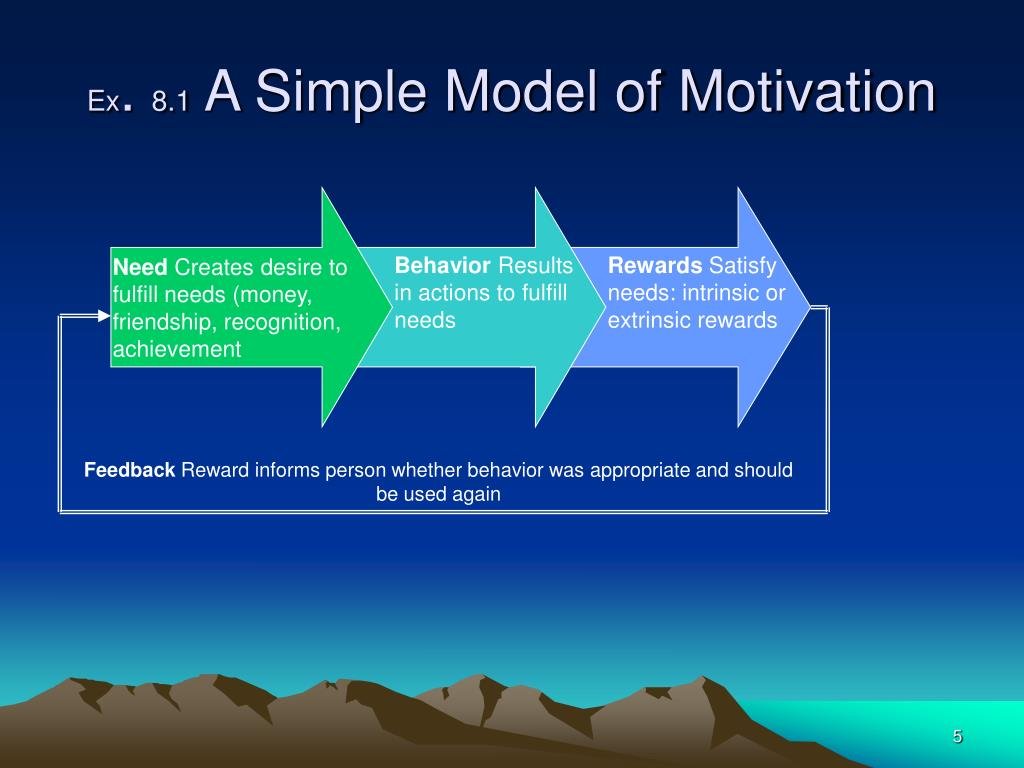
Ever wonder why some teams consistently crush goals while others struggle, even with the same talent? It's often not about ability, but about motivation. Understanding the science behind what drives people – the core focus of a motivation model – can be your secret weapon to unlocking exceptional performance.
At a glance:
- Discover key motivation theories and which ones align with your team’s culture and goals.
- Learn how to apply these theories to boost employee engagement and output.
- Identify common pitfalls in implementing motivation models and how to avoid them.
- Gain actionable strategies to create a work environment where people thrive.
Why One-Size-Fits-All Doesn't Work: Understanding Motivational Diversity
The problem with many engagement initiatives is that they treat motivation as a monolith. But what truly ignites passion in one person might completely fall flat with another. That's why a robust understanding of different theoretical models are essential. Think of it like this: you wouldn't prescribe the same medication to every patient, right? You need to diagnose the specific needs first.
For example, someone driven by McClelland's Need for Achievement will thrive on challenging projects with clear metrics for success. Conversely, someone with a high Need for Affiliation might find those same projects isolating and demotivating if they lack opportunities for collaboration and connection.
Decoding the Motivation Model Landscape: Key Theories You Should Know
Let's explore some foundational motivational theories. These provide a menu of options for you to tailor your approach:
- Maslow's Hierarchy of Needs: Remember that pyramid from Psych 101? It's still relevant. Employees preoccupied with basic security (financial stress, job insecurity) won't be focused on self-actualization. Action: Ensure fair compensation and a stable work environment before trying to inspire lofty goals.
- Herzberg's Two-Factor Theory: This highlights the distinction between "hygiene factors" (like salary and working conditions) and "motivators" (like achievement and recognition). While hygiene factors prevent dissatisfaction, they don't create motivation. Action: Focus on providing opportunities for growth, responsibility, and meaningful work.
- Vroom's Expectancy Theory: Motivation is a product of expectancy (can I do it?), instrumentality (will I get rewarded?), and valence (do I value the reward?). If any of these are zero, motivation will be zero. Action: Clearly define performance expectations, link performance to desired outcomes, and ensure those outcomes are genuinely valued by employees.
- Locke's Goal-Setting Theory: Specific, challenging (but attainable) goals are powerful motivators. They provide clarity, focus effort, and create a sense of accomplishment. Action: Involve employees in setting their own goals and provide regular feedback on progress.
- Deci and Ryan's Self-Determination Theory (SDT): SDT emphasizes the importance of autonomy, competence, and relatedness. When people feel in control, capable, and connected, they are intrinsically motivated. Action: Empower employees to make decisions, provide opportunities for skill development, and foster a sense of community.
- McClelland's Three Needs Theory: As mentioned earlier, this theory focuses on the Needs for Achievement, Affiliation, and Power. Understanding which needs dominate your team members can help you tailor your approach. Action: Identify individual needs through conversations and observations, and then assign tasks and provide rewards that align with those needs.
- Skinner's Reinforcement Theory: Positive reinforcement (rewards) increases desired behaviors, while punishment decreases undesired behaviors. Action: Use rewards strategically to reinforce positive contributions, but avoid relying solely on external rewards, which can undermine intrinsic motivation.
- Adams' Equity Theory: People are motivated when they perceive fairness. If they feel their input-to-output ratio is unfair compared to others, they'll be demotivated. Action: Be transparent about compensation and promotion decisions, and address any perceived inequities promptly.
There’s a rich history and deep practical application to these ideas. To dive into these concepts further, Explore the theorists of motivation for a comprehensive understanding.
Building Your Motivation Model: A Step-by-Step Guide
Ready to put theory into practice? Here's a structured approach:
- Assess Your Team's Needs: Don't assume you know what motivates your team. Conduct surveys, hold one-on-one conversations, and observe their behavior to identify their dominant needs and values. Tools like anonymous pulse surveys can be invaluable.
- Choose the Right Theories: Select the motivational theories that best align with your team's needs and your organizational culture. You might even blend elements from multiple theories. For instance, you could use Goal-Setting Theory to set challenging objectives, Vroom's Expectancy Theory to ensure rewards are valued, and Self-Determination Theory to provide autonomy in how those goals are achieved.
- Design Targeted Interventions: Develop specific strategies based on the chosen theories. This might involve:
- Job Redesign: Adjusting job roles to provide more autonomy, variety, or opportunities for skill development.
- Performance Management: Implementing a performance management system that links performance to meaningful rewards and provides regular feedback.
- Recognition Programs: Creating programs that publicly recognize and reward employees for their contributions.
- Team Building Activities: Organizing activities that foster a sense of community and connection.
- Implement and Monitor: Roll out your interventions and track their impact on key metrics like employee engagement, productivity, and turnover.
- Adjust as Needed: Motivation is dynamic. Regularly reassess your team's needs and adjust your strategies accordingly.
Case Snippet: A tech company noticed high turnover among its developers. After conducting employee surveys, they discovered that developers felt a lack of autonomy and opportunities for growth (SDT). The company implemented a "20% time" policy, allowing developers to spend 20% of their time on projects of their own choosing. They also introduced regular "tech talks" where developers could share their knowledge and learn new skills. Turnover decreased significantly.
Common Pitfalls (and How to Dodge Them)
Implementing motivation models isn't always smooth sailing. Here are some common challenges:
- Ignoring Individual Differences: Treating everyone the same, regardless of their unique needs and preferences. Solution: Tailor your approach to individual employees as much as possible. One-on-one meetings are crucial for this.
- Focusing Solely on Extrinsic Rewards: Over-relying on bonuses and other external incentives can undermine intrinsic motivation. Solution: Emphasize intrinsic rewards like opportunities for growth, recognition, and meaningful work.
- Lack of Transparency: Keeping employees in the dark about how decisions are made can erode trust and motivation (Equity Theory). Solution: Be transparent about compensation, promotion processes, and other important decisions.
- Inconsistent Application: Applying motivational strategies inconsistently can lead to frustration and resentment. Solution: Ensure that all managers are trained on the company's motivation philosophy and that they consistently apply it in their interactions with employees.
- Failing to Measure Results: Implementing interventions without tracking their impact makes it impossible to know if they're working. Solution: Track key metrics like employee engagement, productivity, and turnover to assess the effectiveness of your strategies.
Motivation Model: Quick Answers to Pressing Questions
- Q: Which motivation model is "best"?
- A: There's no single "best" model. The most effective approach depends on your specific team, organization, and goals. It's often best to blend elements from multiple theories.
- Q: How do I motivate someone who seems completely unmotivated?
- A: Start by trying to understand the root cause of their lack of motivation. Are they struggling with basic needs (Maslow)? Do they feel unfairly treated (Equity Theory)? Are they lacking autonomy or opportunities for growth (SDT)? Once you understand the underlying issue, you can tailor your approach accordingly.
- Q: Can I use punishment to motivate employees?
- A: While punishment can sometimes be effective in the short term (Skinner), it's generally not a sustainable or desirable approach. Punishment can create fear and resentment, and it doesn't teach employees what they should be doing. Positive reinforcement is almost always a better option.
- Q: How important is company culture in motivation?
- A: Extremely important. A supportive, positive culture that values employee contributions and provides opportunities for growth is essential for creating a motivated workforce. Efforts at motivation will be undermined by a toxic or unsupportive culture.
Your Actionable Playbook: Sparking Motivation Now
Here’s a simple decision tree to guide your first steps:
- Start with Assessment: Survey your team to gauge current motivation levels and identify key needs (e.g., using a simple Likert scale for facets of SDT).
- Analyze Results: Identify the most pressing motivational gaps. Are employees feeling undervalued? Lacking Autonomy?
- Choose One Area to Focus On: Don't try to fix everything at once. Pick one or two key areas where you can make a significant impact.
- Implement a Targeted Intervention: Design a specific strategy based on the chosen motivational theories. For example, if employees feel a lack of autonomy, implement a "decision-making delegation" program.
- Track Progress: Monitor key metrics to assess the effectiveness of your intervention.
- Adjust and Iterate: Be prepared to adjust your approach based on the data.
By understanding the science behind motivation and tailoring your approach to your team's unique needs, you can create a work environment where people are not just productive, but genuinely engaged and fulfilled. Don't settle for a disengaged workforce – unlock their full potential!