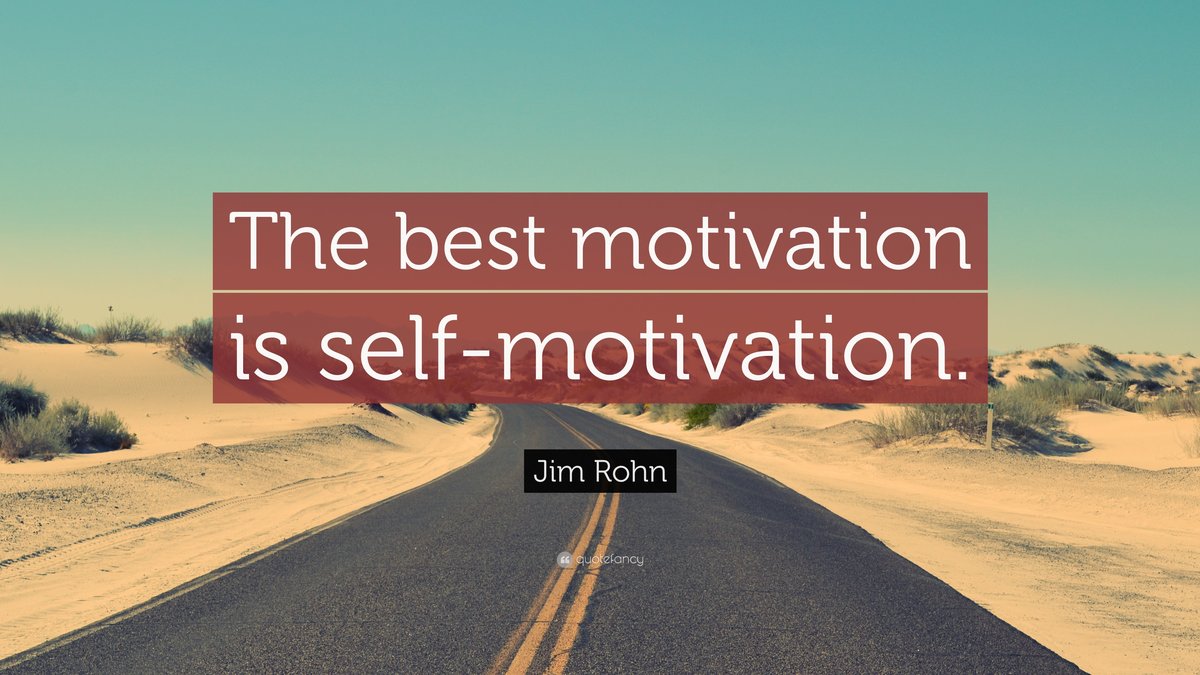
Motivation And Productivity
Content about motivation and productivity (Auto-generated fallback due to API error).
Ever wonder what sets apart those individuals who consistently achieve their goals, seemingly without needing a push from the outside? These are self motivated people, and their drive comes from within. They possess a unique blend of passion, resilience, and a "can-do" attitude that fuels their journey towards success.
But what exactly is self-motivation, and can it be learned? Absolutely! This guide will delve into the traits, techniques, and strategies that empower you to cultivate your own inner drive and achieve your full potential.
At a glance:
- Self-motivation is the internal force that drives you forward.
- It's a combination of passion, purpose, and a belief in your ability to succeed.
- Key traits include clarity, perseverance, and responsibility.
- You can actively cultivate self-motivation through various techniques.
- Understanding the potential pitfalls helps you maintain a healthy approach.
What Is Self-Motivation, Really?
Self-motivation is the ability to push yourself to achieve your goals, complete tasks, and improve yourself, all without relying on external factors. It's about tapping into your inner resources and using them to fuel your actions. This is distinct from extrinsic motivation, which relies on external rewards or pressures. The root of self-motivation lies in intrinsic motivation—that internal desire to do something because you find it enjoyable, meaningful, or aligned with your values.
Key Ingredients of Self-Motivation
Self-motivation isn’t a singular trait, but rather a blend of several key elements:
- Personal Drive: A deep-seated desire for growth and improvement, often rooted in a growth mindset.
- Optimism and Resilience: The ability to maintain a positive outlook even when facing setbacks, and the capacity to bounce back from challenges.
- Commitment to Goals: A strong dedication to achieving specific objectives, aligning those goals with your core values.
- Initiative: The willingness to take action and work hard without needing constant supervision or encouragement.
Decoding the DNA: Traits of Self Motivated People
While everyone's journey is unique, self motivated people often share a common set of characteristics:
- Clarity of Purpose: They know what they want and why they want it. This clear vision acts as a compass, guiding their actions and decisions.
- Unyielding Focus: They are good at ignoring naysayers and focusing on their goals.
- Boundless Energy and Passion: Their enthusiasm is contagious, fueling their actions and motivating others.
- Action-Oriented: They don't just dream; they do. They are constantly taking steps, big or small, towards their objectives.
- Willingness to Sacrifice: They understand that achieving ambitious goals often requires making sacrifices and taking calculated risks.
- "It's Up to Me" Mentality: They take full responsibility for their lives and their outcomes, avoiding blame and excuses.
- Master of Delayed Gratification: They are willing to forgo immediate rewards in favor of long-term gains.
- Relentless Hard Work: They understand that success requires effort and dedication, and they are not afraid to put in the time.
- Unwavering Perseverance: They never give up, even when faced with obstacles and setbacks. They embody resilience – a key trait of self-starters.
Unlocking a Self-Motivated Personality involves recognizing and nurturing these traits within yourself.
Why Self-Motivation Matters: The Ripple Effect
The benefits of self-motivation extend far beyond simply achieving goals. It can transform your entire life:
- Sense of Purpose: It provides a sense of direction and meaning, making you feel more fulfilled.
- Enhanced Creativity: It encourages you to think outside the box and come up with innovative solutions.
- Improved Adaptability: It helps you embrace change and navigate challenges with greater ease.
- Stronger Relationships: It makes you a more reliable, supportive, and inspiring person.
- Increased Confidence: Each successful step builds belief in your capabilities.
How To Cultivate Your Inner Drive: Practical Strategies
Self-motivation isn't a gift; it's a skill that can be developed and honed. Here's how:
- Harness the Power of Positive Self-Talk: Replace negative thoughts with positive affirmations. Believe in yourself and your abilities.
- Set SMART Goals: Break down large goals into smaller, more manageable steps that are Specific, Measurable, Attainable, Realistic, and Timely.
- Celebrate Your Wins: Acknowledge and reward yourself for your accomplishments, no matter how small. This reinforces positive behavior.
- Establish a Consistent Routine: Creating a structured day can help you stay focused and on track.
- Surround Yourself with Positivity: Seek out supportive people who believe in you and your dreams.
- Prioritize Physical Activity: Exercise releases endorphins, which have mood-boosting effects and can increase your energy levels.
- Pursue Your Passions: Engage in activities that you genuinely enjoy. This will fuel your motivation and make the journey more enjoyable.
- Identify Your "Why": Dig deep and understand the underlying reasons behind your goals. Knowing your "why" will help you stay motivated when things get tough.
- Find personal motivation examples here Find personal motivation examples here to find what will unlock your drive.
The Double-Edged Sword: Potential Downsides of Excessive Self-Motivation
While self-motivation is generally a positive trait, it's important to be aware of its potential downsides:
- Increased Pressure and Stress: The constant drive to achieve can lead to burnout if not managed effectively.
- Risk of Obsession or Addiction: Self-motivation can sometimes morph into an unhealthy obsession with work or achievement.
- Perfectionism: The pursuit of perfection can lead to anxiety and dissatisfaction.
It's crucial to strike a balance and prioritize self-care to avoid these pitfalls.
The Motivation Drain: Factors That Can Hinder Your Drive
It's equally important to identify the factors that can sabotage your self-motivation:
- Procrastination: Putting things off can lead to feelings of guilt and overwhelm, making it even harder to get started.
- Low Productivity: Feeling unproductive can sap your motivation and make you feel like you're not making progress.
- Lack of Achievement: A string of failures can erode your confidence and make you question your abilities.
- Poor Self-Esteem: Believing that you're not good enough can hold you back from pursuing your goals.
- Decreased Happiness: When you're unhappy, it's difficult to find the motivation to do anything.
Addressing these underlying issues is essential for restoring your self-motivation.
Quick Tips to Recharge Your Motivation
Here are some practical tips to reignite your inner drive:
- Set Small, Achievable Goals: Start with small wins to build momentum and confidence.
- Establish a Consistent Routine: Structure provides a sense of stability and control.
- Focus on Progress, Not Perfection: Celebrate how far you've come, rather than dwelling on what you haven't achieved.
- Reward Yourself for Your Efforts: Acknowledge and appreciate your hard work.
- Surround Yourself with Positive Influences: Spend time with people who uplift and inspire you.
Geller's Insights: 3 Questions for Self-Motivation
According to psychologist E. Scott Geller, self-motivation hinges on answering three key questions:
- "Can I do it?" (Self-Efficacy): Do you believe in your ability to succeed?
- "Will it work?" (Response Efficacy): Do you believe that your actions will lead to the desired outcome?
- "Is it worth it?" (Cost vs. Consequences): Do the benefits outweigh the costs and effort involved?
If you can answer "yes" to all three, you're well on your way to being self-motivated. Geller also proposes 4 "C" words that underpin self-motivation: Consequences, Competence, Choice, and Community.
Fostering Self-Motivation in Others: A Leadership Perspective
If you're in a leadership role, whether as a teacher, manager, or mentor, you can play a crucial role in fostering self-motivation in others:
- Provide Autonomy and Freedom of Choice: Empower individuals to make their own decisions and take ownership of their work.
- Offer Useful Feedback and Praise Effort: Recognize and appreciate hard work, providing constructive feedback to help individuals improve.
- Cultivate High-Quality Relationships: Build strong, supportive relationships based on trust and respect.
- Connect Learning to Personal Relevance: Help students and employees understand how what they are learning or doing is relevant to their lives and goals.
- Offer Meaningful Advancement Opportunities: Provide opportunities for growth and development, showing individuals that their efforts are valued.
- Set a Positive Example: Your tone, work ethic, and values set the standard for others.
- Create an Uplifting and Motivating Culture: Foster an environment that encourages creativity, innovation, and collaboration.
- Promote Socialization Through Teamwork: Teamwork can foster a sense of belonging and shared purpose.
- Ensure Transparency and Open Communication: Keep everyone informed and involved in the decision-making process.
Boost Your Self-Motivation by understanding what truly drives individuals.
Techniques for Self-Motivation: A Toolkit for Success
A variety of techniques can be used to boost self-motivation:
- Set SMART goals
- Reward yourself for accomplishments.
- Visualize success.
- Create a vision board.
- Achieve early success.
- Learning skills
- Envision what could happen
Discovering Self Motivation
Motivation is a complex concept affected by many factors. Discover and apply the keys to unlocking your potential, and you will be on your way to becoming a self-starter.
discovering self motivation is a journey of self-discovery and continuous improvement.
Resources to Fuel Your Journey
Numerous resources can help you further explore and cultivate your self-motivation:
- Self-Assessment Quizzes: Explore online quizzes like Richard Step's Quick Quiz, the Oprah.com incentives test, or The Self-Motivation Inventory.
- Smartphone Apps: Utilize apps designed to track goals, provide affirmations, and promote positive habits.
- Podcasts: Listen to motivational podcasts featuring inspiring stories and practical advice.
- Books: Delve into self-help books that offer strategies for building self-discipline and achieving your goals.
- Movies: Watch inspiring movies that showcase the power of human resilience and determination.
- Quotes: Surround yourself with motivational quotes that remind you of your potential.
The Road Ahead: Embracing a Self-Motivated Life
Self-motivation is not a destination, but a journey. It requires ongoing effort, self-awareness, and a willingness to adapt and grow. By embracing the principles and techniques outlined in this guide, you can unlock your inner drive, achieve your goals, and live a more fulfilling life. So, take the first step today and embark on your path to becoming a truly self-motivated individual.