The Engine and The Road: Syncing Motivation with Action
Motivation is often misconstrued as a constant, unwavering surge of energy, but in reality, it’s more like the fuel in your tank – essential for starting the journey and keeping it going. It’s that internal spark that nudges us towards our goals, the ‘why’ behind every task we undertake. Without this fundamental drive, even the most meticulously planned schedule can feel like an insurmountable mountain. Cultivating a strong sense of motivation isn’t about perpetual excitement; it’s about connecting with your purpose and understanding the value of your efforts, transforming daunting challenges into purposeful steps forward.
True productivity, then, isn’t merely about checking off items on a list or working long hours; it’s about aligning your motivated energy with effective, meaningful action. It’s the result of that inner engine running smoothly, propelling you efficiently towards your destination. When motivation is high, tasks that once seemed arduous become manageable, and focus becomes second nature. The key lies in nurturing that motivational fuel consistently, ensuring it’s replenished through small wins, clear progress, and a reaffirmation of your overarching vision, creating a powerful feedback loop that drives sustainable success rather than short-lived bursts of effort.
Ever wonder why some days you leap out of bed, ready to tackle anything, while other days, even the thought of checking your email feels like climbing a mountain? Understanding the driving forces behind our actions, especially in the workplace, is a puzzle that many brilliant minds have tried to solve. Studying the thinking of various theorists of motivation gives us a powerful lens to understand what makes us, and those around us, tick. It’s not about finding a single magic formula; it's about gaining a toolkit of insights we can use to build more engaging and fulfilling work environments.
At a glance:
- Motivation is the force that drives us towards our goals.
- Several theories attempt to explain motivation, each with its strengths.
- Understanding these theories can help you motivate yourself and others.
- Key theories include Maslow's Hierarchy of Needs, Herzberg's Two-Factor Theory, and Expectancy Theory.
- Applying these theories can enhance job satisfaction and performance.
Why Understanding Motivation Matters
Motivation isn't just a nice-to-have; it's the engine that drives productivity, innovation, and overall well-being. A motivated workforce is a more engaged workforce, leading to higher retention rates, better customer service, and a more positive company culture. Understanding the core concepts underpinning different theories helps unlock business performance Unlocking Business Performance: Motivation.
Unfortunately, employee motivation isn't automatic. It requires a deliberate and thoughtful approach, guided by an understanding of what truly drives human behavior. This is where the insights of motivation theorists become invaluable.
The Foundational Theorists: Building Blocks of Motivation
Many theories attempt to explain human motivation. Let's delve into some of the foundational theories that continue to influence our understanding of motivation today. Many ideas build on these original thoughts like the development of a solid framework of motivation framework of motivation.
1. Maslow's Hierarchy of Needs: Climbing the Pyramid
Abraham Maslow's Hierarchy of Needs is perhaps one of the most well-known motivation theories. Maslow proposed that humans are motivated by a hierarchy of five needs:
- Physiological: Basic survival needs like food, water, and shelter.
- Safety: Security, stability, and freedom from fear.
- Social: Love, belonging, and connection.
- Esteem: Respect, recognition, and a sense of accomplishment.
- Self-Actualization: Reaching one's full potential and pursuing personal growth.
The core idea is that individuals must satisfy lower-level needs before they can be motivated by higher-level needs. Think of it like climbing a ladder – you can't reach the top rung (self-actualization) if you're still struggling to secure the bottom rungs (physiological and safety needs). Once these physiological needs are met, they no longer motivate you.
Practical Application: As a manager, consider how well your organization addresses each level of the hierarchy for your employees. Are salaries adequate to meet basic needs? Are employees safe and secure in their jobs? Do they feel a sense of belonging and receive recognition for their contributions? Understand Motivation Theories Addressing these factors can create a more motivating work environment.
2. Herzberg's Two-Factor Theory: Hygiene vs. Motivation
Frederick Herzberg's Two-Factor Theory, also known as the Motivator-Hygiene Theory, suggests that job satisfaction and dissatisfaction are influenced by two distinct sets of factors:
- Hygiene Factors: These factors don't necessarily motivate employees, but their absence can lead to dissatisfaction. Examples include salary, working conditions, company policies, and relationships with coworkers. They can prevent dissatisfaction, but don't actively motivate.
- Motivators: These factors are intrinsic to the job itself and can lead to satisfaction and motivation. Examples include achievement, recognition, responsibility, and opportunities for growth.
Practical Application: Herzberg's theory highlights the importance of addressing both hygiene factors and motivators. While ensuring adequate pay and a safe work environment is crucial, it's equally important to provide opportunities for employees to grow, take on challenging assignments, and receive recognition for their accomplishments. Explore two key motivation theories Explore Two Key Motivation Theories.
3. Vroom's Expectancy Theory: Effort, Performance, and Reward
Victor Vroom's Expectancy Theory proposes that motivation is determined by an individual's beliefs about the relationship between effort, performance, and outcomes. The theory revolves around three key components:
- Expectancy: The belief that effort will lead to successful performance.
- Instrumentality: The belief that successful performance will lead to a desired outcome or reward.
- Valence: The value or importance that an individual places on the expected outcome or reward.
The formula for motivation, according to Vroom, is: Motivation = Expectancy x Instrumentality x Valence. If any of these factors is zero, motivation will be zero as well.
Practical Application: To increase motivation, managers need to ensure that employees believe they are capable of performing well (expectancy), that good performance will be rewarded (instrumentality), and that the rewards offered are valued (valence). Providing adequate training, clear performance expectations, and meaningful rewards can significantly boost motivation. Explore Motivation Theories Here.
Contemporary Theories: Expanding the Landscape of Motivation
While the foundational theories provide a solid starting point, contemporary theories offer more nuanced perspectives on motivation. These theories delve deeper into the psychological and social factors that influence our drive and engagement.
4. Goal-Setting Theory: The Power of Clear Objectives
Edwin Locke's Goal-Setting Theory emphasizes the importance of setting specific, challenging, and achievable goals. The theory suggests that goals serve as motivators by:
- Directing attention and effort towards goal-relevant activities.
- Energizing individuals to work harder.
- Prolonging effort and persistence.
- Motivating individuals to develop strategies for achieving their goals.
Practical Application: When setting goals, ensure they are SMART: Specific, Measurable, Achievable, Relevant, and Time-bound. Encourage employee participation in the goal-setting process to increase buy-in and commitment. Regularly provide feedback and support to help employees track their progress and stay motivated.
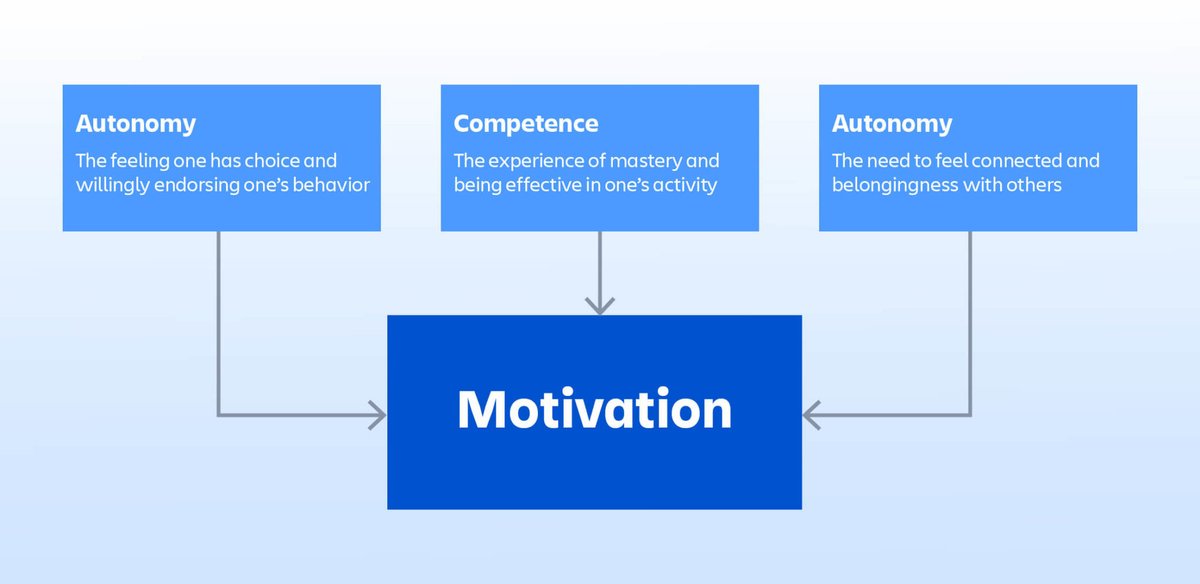
5. Self-Determination Theory: Autonomy, Competence, and Relatedness
Edward Deci and Richard Ryan's Self-Determination Theory (SDT) focuses on the importance of intrinsic motivation – the drive to do something for the inherent satisfaction it provides. SDT proposes that intrinsic motivation is fostered when three basic psychological needs are met:
- Autonomy: The need to feel in control of one's own actions and choices.
- Competence: The need to feel capable and effective in one's activities.
- Relatedness: The need to feel connected to others and have a sense of belonging.
Practical Application: To foster intrinsic motivation, provide employees with opportunities for autonomy, such as allowing them to choose how they complete tasks or participate in decision-making. Provide opportunities to develop their skills and knowledge, and foster a supportive and collaborative work environment where employees feel valued and connected. Understand motivation models better Understand motivation models better.
6. McClelland's Three Needs Theory: Achievement, Affiliation, and Power
David McClelland's Three Needs Theory proposes that individuals are primarily motivated by one of three needs:
- Need for Achievement: The desire to excel and achieve challenging goals.
- Need for Affiliation: The desire for strong relationships and a sense of belonging.
- Need for Power: The desire to influence and control others.
Practical Application: Understanding an individual's dominant need can help tailor motivational strategies to their specific preferences. For example, employees with a high need for achievement might be motivated by challenging assignments and opportunities for advancement, while those with a high need for affiliation might thrive in collaborative environments and team-based projects. Understanding these ideas helps you explore workplace motivation theories Explore workplace motivation theories.
7. Equity Theory: Striving for Fairness
John Stacey Adams' Equity Theory suggests that individuals are motivated by a sense of fairness and justice in their relationships. The theory proposes that individuals compare their input-output ratio (effort, skills, and contributions versus rewards, recognition, and opportunities) to the input-output ratio of others. what type of motivational theory
If an individual perceives inequity, they may experience feelings of anger, resentment, or demotivation. They may then attempt to restore equity by adjusting their inputs (reducing effort), altering their outputs (seeking a raise), changing their perception of their own or others' inputs or outputs, or leaving the relationship altogether.
Practical Application: To promote equity, ensure that compensation, promotions, and other rewards are distributed fairly and transparently. Clearly communicate the criteria used for making these decisions and provide opportunities for employees to voice their concerns and seek clarification.
8. Reinforcement Theory: Shaping Behavior Through Consequences
B.F. Skinner's Reinforcement Theory, a cornerstone of behaviorism, posits that behavior is shaped by its consequences. Positive reinforcement (rewards) increases the likelihood of a behavior being repeated, while punishment decreases the likelihood.
Positive Reinforcement: Giving a bonus for exceeding sales targets.
Negative Reinforcement: Removing a probationary period after consistent good performance.
Punishment: Demoting an employee for consistent rule violations.
Practical Application: Use positive reinforcement to encourage desired behaviors, but be mindful of the potential for unintended consequences. Ensure that rewards are meaningful and valued by employees, and avoid using punishment in a way that is demeaning or disrespectful.
Avoiding Common Pitfalls When Applying Motivation Theories
While motivation theories provide valuable frameworks for understanding and influencing behavior, it's important to avoid common pitfalls:
- Oversimplification: Motivation is complex and multifaceted. Avoid relying on a single theory or approach to address all motivational challenges. Dive into Motivation Theories Dive into Motivation Theories.
- Ignoring Individual Differences: People are motivated by different things. Tailor your motivational strategies to the specific needs, preferences, and values of individual employees.
- Neglecting the Context: The effectiveness of a motivational strategy can depend on the specific context of the work environment, company culture, and industry. Boost staff motivation [placeholder_link slug="staff-motivation-theories"].
- Short-Term Focus: Aim for sustainable, long-term motivation rather than quick fixes. Focus on creating a work environment that fosters intrinsic motivation and supports employee growth and well-being.
- Lack of Consistency: Motivational efforts should be consistent and ongoing, rather than sporadic or reactive. Make motivation a core part of your management philosophy and organizational culture.
Making Motivation Actionable: A Practical Guide
So, how do you transform these theories into actionable strategies? Here's a step-by-step guide:
- Assess the Current Situation: Conduct employee surveys, focus groups, or individual interviews to assess current levels of motivation, identify areas for improvement, and understand what motivates your employees.
- Set Clear Goals and Expectations: Ensure that employees understand their roles, responsibilities, and performance expectations. Set specific, measurable, achievable, relevant, and time-bound (SMART) goals.
- Provide Regular Feedback and Recognition: Provide regular feedback on employee performance, both positive and constructive. Recognize and reward employees for their accomplishments and contributions.
- Create Opportunities for Growth and Development: Provide opportunities for employees to develop their skills and knowledge through training, mentoring, and challenging assignments.
- Foster a Supportive and Collaborative Work Environment: Create a work environment where employees feel valued, respected, and supported. Encourage teamwork, collaboration, and open communication.
- Empower Employees: Give employees autonomy and control over their work. Encourage them to participate in decision-making and contribute their ideas.
- Promote Work-Life Balance: Support employees in achieving a healthy work-life balance. Offer flexible work arrangements, generous leave policies, and wellness programs.
Key Takeaways for Motivating Your Team
- Know Your People: Understand their individual needs, values, and goals.
- Be Transparent and Fair: Communicate openly and honestly, and ensure that decisions are made fairly and transparently.
- Empower and Trust: Give employees autonomy and trust them to do their best work.
- Recognize and Reward: Acknowledge and appreciate employee contributions, both big and small.
- Create a Positive Culture: Foster a work environment that is supportive, collaborative, and fun.
Motivation FAQ: Addressing Common Questions
- Q: Which motivation theory is the best?
- A: There's no single "best" theory. The most effective approach often involves integrating elements from multiple theories to create a customized strategy that meets the specific needs of your organization and employees.
- Q: Does money motivate everyone?
- A: While compensation is important, it's not the only motivator. Intrinsic factors like recognition, growth opportunities, and a sense of purpose can be equally or even more motivating for some individuals. Motivation content theories Explore Motivation Content Theories.
- Q: How can I motivate someone who seems completely unmotivated?
- A: Start by understanding the underlying reasons for their lack of motivation. Are they feeling overwhelmed, undervalued, or disconnected from their work? Address these issues directly and provide support and resources to help them regain their motivation. Understand motivation at work Understand Motivation at Work.
Beyond the Theories: Cultivating a Culture of Motivation
Ultimately, creating a truly motivated workforce goes beyond simply applying theoretical frameworks. It requires cultivating a culture of motivation – an environment where employees feel valued, respected, and empowered to do their best work. By understanding the principles of motivation and applying them thoughtfully and consistently, you can unlock the full potential of your team and create a thriving, engaged, and productive workplace. If you're looking for examples of motivational theories Explore Motivational Theory Examples then make sure to do some extra research.