Purpose to Progress: Harmonizing Motivation and Productivity
It’s easy to view motivation and productivity as two separate gears in the machinery of achievement, often believing that one automatically powers the other. We might wait for a surge of motivation before tackling a daunting task, or assume that a highly productive day is a direct result of being intrinsically motivated from the get-go. However, the reality is far more nuanced than a simple cause-and-effect relationship. True sustained progress often stems from a dynamic interplay where they not only influence each other but also grow stronger in tandem, creating a virtuous cycle that propels us forward even when the initial spark seems to dim.
Cultivating this powerful synergy requires shifting our perspective from passively waiting for inspiration to actively building systems that nurture both our drive and our output. It’s about recognizing that sometimes the act of starting, even when unmotivated, can generate its own momentum and uncover the very purpose that fuels our desire to continue. Furthermore, understanding what genuinely energizes us—whether it’s the satisfaction of small wins, the clarity of a well-defined goal, or the connection to a larger vision—allows us to intentionally weave these elements into our daily routines, transforming potential into consistent, meaningful progress.
Ever feel like you’re running on empty, struggling to get through the day? Understanding what are some things that motivate people is key to turning that around. It's not just about big life goals; it’s about finding the spark that makes even the mundane feel worthwhile.
At a glance:
- We'll dissect core motivators like achievement, autonomy, connection, and purpose.
- You'll learn how to identify your personal motivational drivers via introspection and practical exercises.
- Discover how your work environment can either fuel or drain your motivation, and how to optimize it.
- Get actionable tips to integrate stronger motivation into your daily routine.
- We'll tackle common questions and misconceptions around motivation for lasting impact.
The Building Blocks of Motivation: More Than Just Rewards
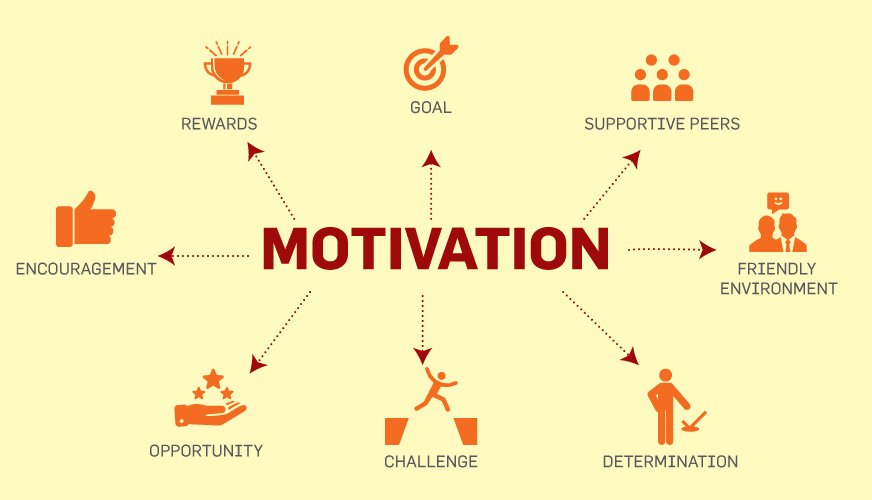
Motivation isn't a one-size-fits-all concept. It’s a complex mix of internal desires and external influences. While a bonus check might provide a temporary boost, true motivation stems from deeper sources. Let’s explore some of the key ingredients that drive human behavior.
Achievement: The Drive to Conquer
The satisfaction derived from accomplishing a goal is a powerful motivator. It's a validation of your competence and effort. People driven by achievement thrive on setting ambitious yet attainable goals.
- Example: A software developer might feel a surge of motivation after successfully debugging a complex piece of code. It's the tangible outcome of their skills and persistence.
Actionable Tip: Break down larger goals into smaller, more manageable steps. Celebrate each milestone to maintain momentum. Keep a "success journal" to reflect on past accomplishments and remind yourself of your capabilities.
Autonomy: Charting Your Own Course
The freedom to make choices and control aspects of your work or life fuels engagement and productivity. Micromanagement can kill motivation faster than almost anything.
- Example: Allowing employees to choose their work hours or project assignments can significantly increase their motivation and job satisfaction.
Actionable Tip: Seek opportunities to take ownership of projects. Negotiate flexible work arrangements when possible. Practice making independent decisions in your daily life.
Connection and Collaboration: The Power of "We"
Humans are social creatures. Meaningful relationships provide essential support, a sense of belonging, and increased happiness.
- Example: A volunteer might be highly motivated by the camaraderie and shared purpose of working with a team to build a house for a family in need.
Actionable Tip: Actively participate in team meetings. Foster open communication with colleagues and friends. Join groups or communities that align with your interests.
Curiosity and Learning: The Endless Quest for Knowledge
The joy of acquiring new knowledge and mastering new skills keeps the mind active and engaged. It's about the journey of discovery, not just the destination.
- Example: Someone interested in photography might spend hours watching tutorials, experimenting with different techniques, and analyzing the work of master photographers.
Actionable Tip: Enroll in online courses. Read books on topics that intrigue you. Attend workshops or seminars to expand your skillset.
Purpose: Connecting to Something Bigger
Knowing that your actions contribute to something larger than yourself provides a profound sense of meaning and direction. This drive is powerful, making even difficult tasks feel worthwhile.
- Example: A teacher might be deeply motivated by the knowledge that they are shaping the lives of young people and contributing to the future of their community.
Actionable Tip: Reflect on your values and how they align with your work or personal projects. Volunteer for causes you believe in. Find ways to make a positive impact on the world around you.
The Impact of Your Environment: Is It Helping or Hurting?
Your surroundings play a crucial role in your motivation levels. A positive, supportive environment fosters enthusiasm and creativity. A negative environment can be incredibly draining.
- Positive Environment: Characterized by open communication, trust, recognition, and opportunities for growth.
- Negative Environment: Marked by micromanagement, lack of feedback, constant criticism, and a lack of recognition.
Case Snippet: A marketing team struggling with low morale discovered that implementing a weekly "wins" meeting where team members could highlight accomplishments significantly boosted motivation. It created a positive feedback loop.
Actionable Tip: If you're in a toxic environment, try to address the issues directly. If that’s not possible, consider finding a new environment that better supports your well-being and goals.
Unlocking Your Personal Motivation Code: A Step-by-Step Guide
Finding what truly motivates you requires introspection and experimentation. It’s an ongoing process, not a one-time discovery. Here are a few options, keeping context in mind: * Discover your personal motivation * Find your drive and purpose * Unlocking personal motivation guide * Explore what motivates you to learn about a broader framework.
Step 1: Introspection and Reflection:
- What makes you lose track of time? Activities that fully engage you are likely connected to your intrinsic motivators.
- When do you feel most satisfied? Identify the situations and accomplishments that bring you genuine fulfillment.
- What activities excite you? Explore new hobbies or projects that spark your curiosity and enthusiasm.
- What are your core values? Understanding your values can guide you toward activities and goals that are inherently meaningful.
Step 2: Experimentation and Exploration: - Try new things: Step outside your comfort zone and explore different activities or roles.
- Seek feedback: Ask trusted friends, family members, or colleagues for their insights on your strengths and motivations.
- Track your progress: Keep a journal to document your experiences, feelings, and accomplishments.
Step 3: Setting Goals That Resonate: - Align your goals with your values: Ensure that your goals are meaningful and relevant to your personal beliefs.
- Set SMART goals: Specific, Measurable, Achievable, Relevant, and Time-bound.
- Break down large goals into smaller steps: This makes the process more manageable and less overwhelming.
Step 4: Regularly Revisit and Adjust: - Your interests and goals will evolve over time. Take the time to regularly review your progress and adjust your approach as needed.
- Don't be afraid to change direction if something isn't working.
Practical Playbook: Quick Start to Boosting Motivation
Here’s a practical checklist to jumpstart your motivation.
- Daily Dose of Achievement: Identify 1-3 small, achievable tasks each day. Completing them provides a sense of accomplishment and momentum.
- Embrace Autonomy: Find one area where you can take more ownership or make independent decisions.
- Connect With Others: Schedule time for meaningful interactions with friends, family, or colleagues.
- Fuel Your Curiosity: Dedicate 30 minutes each day to learning something new.
- Find Your Purpose: Identify one small way to contribute to a cause you believe in.
- Optimize Your Environment: Create a workspace that is conducive to productivity and well-being.
Quick Answers: Debunking Motivation Myths
Let's address a few common misconceptions about motivation to keep you on track.
Q: Is motivation a constant state?
A: No. Motivation ebbs and flows. It’s normal to have periods of high and low motivation. The key is to develop strategies for maintaining momentum during challenging times.
Q: Can I only be motivated by things I enjoy?
A: Not necessarily. While enjoying an activity can increase motivation, you can also be motivated by a sense of responsibility, a desire to achieve a goal, or a commitment to your values.
Q: Is it possible to force motivation?
A: Not directly. You can't simply will yourself to be motivated. However, you can create the conditions that foster motivation by setting clear goals, breaking down tasks, and seeking support from others.
Q: Does money always lead to more motivation?
A: Not always. While financial incentives can provide a short-term boost, they are not always the most effective long-term motivator. Intrinsic motivation, driven by internal rewards and a sense of purpose, is often more sustainable.
The Path Forward: Sustaining Your Motivational Fire
Motivation is a journey, not a destination. By understanding what drives you, creating a supportive environment, and consistently taking action, you can unlock your full potential and live a more fulfilling life. Revisit these strategies regularly, adapt them to your changing needs, and never stop exploring what inspires you.